
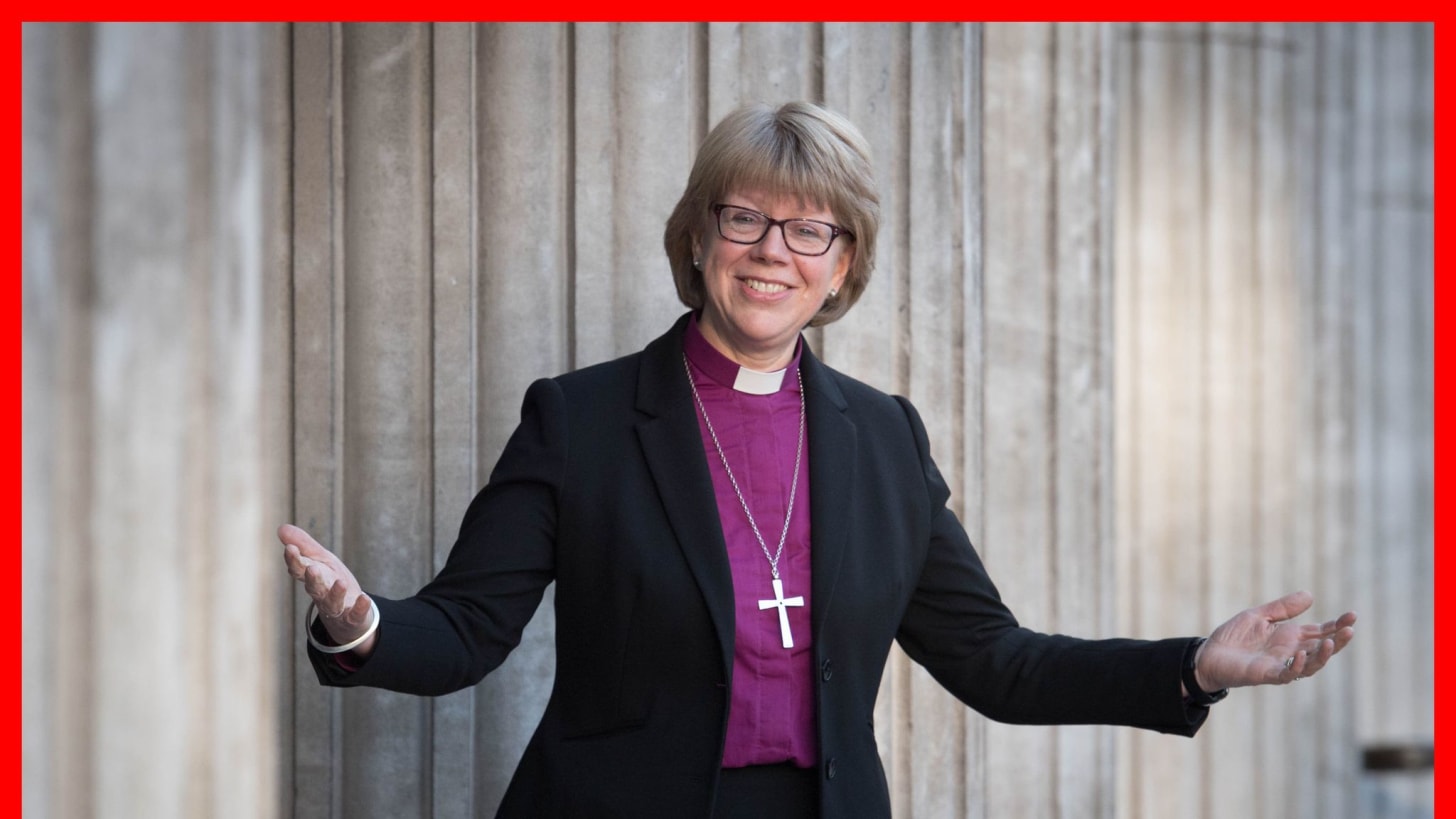
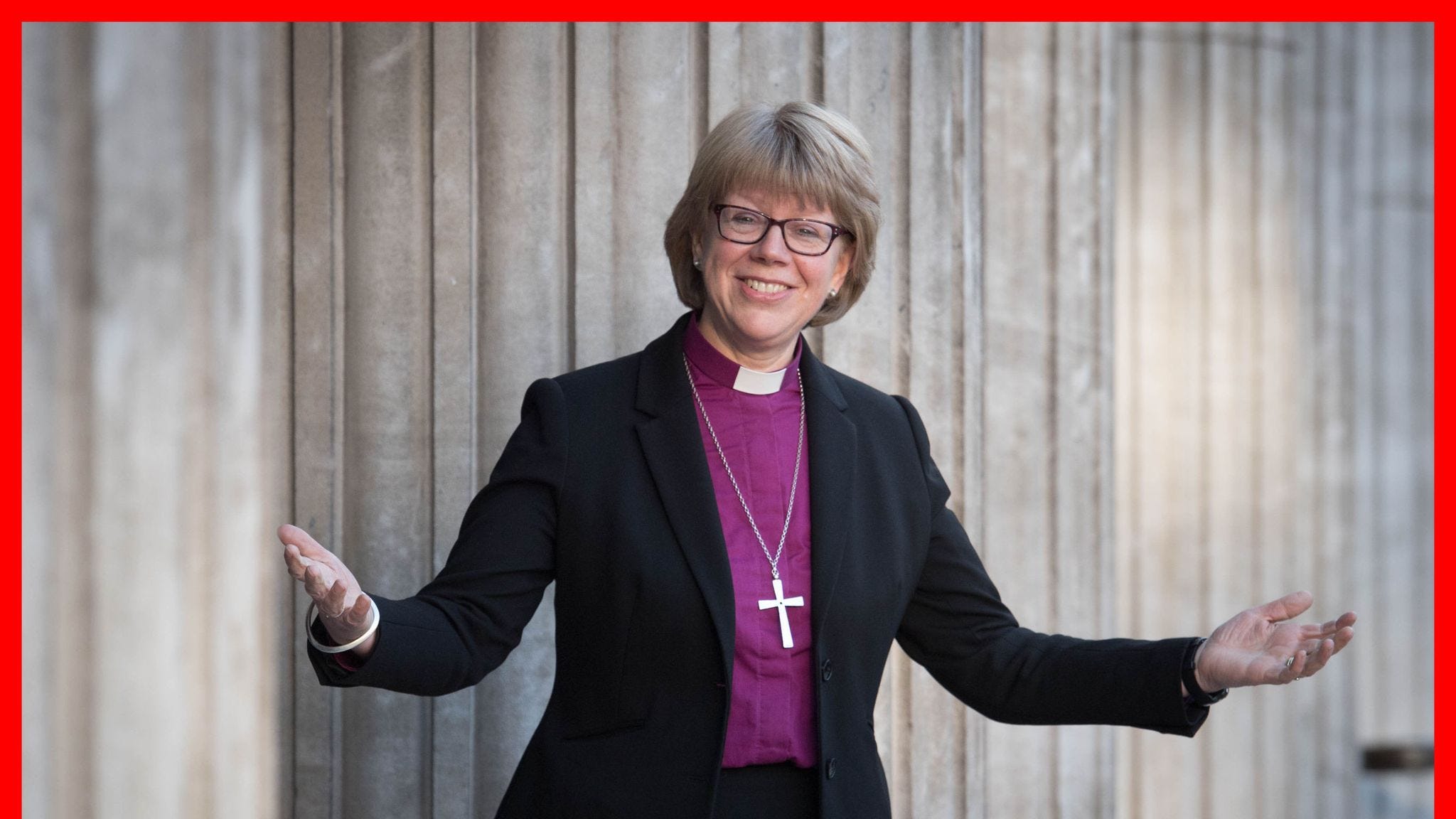
History was made this week. The Church of England has named Sarah Mullally, currently the Bishop of London, as the 106th Archbishop of Canterbury. While the English monarch is technically the Supreme Governor of the Church of England, the Archbishop of Canterbury is its functional head, serving as the senior bishop and spiritual leader who sets the tone for the Church’s mission and witness. Mullally will be the first woman ever to hold this office, the historic seat of the worldwide Anglican Communion.
The headlines focus on the fact that she’s the first female archbishop of Canterbury, and that is historic and worth celebrating. But there’s more to her story than a single “first.” Her life and experience carry a certain Gospel weight that ought to give hope to people who’ve felt overlooked by the Church.
From Hospital Wards to Canterbury
Before she ever put on a clerical collar, Sarah Mullally was a nurse. She began in cancer nursing and went on to become England’s Chief Nursing Officer at 37, which made her one of the youngest people ever to hold that role.
She has said more than once that she saw nursing as a way of reflecting the love of God in practical care. That is a powerful lens for ministry. She knows what it means to sit beside a bed, to listen, to comfort, to serve when someone is at their most vulnerable.
That matters. The Church talks a lot about the poor and the marginalized. Here is a woman who spent much of her life literally at their bedside. That experience will not be lost on her as she steps into leadership.
In 2001 she was ordained a priest. By 2015 she was Bishop of Crediton, and in 2018 she became the first woman to serve as Bishop of London, leading one of the most diverse and complex dioceses in the world. Now, she will shepherd not only the Church of England but serve as first among equals for 85 million Anglicans worldwide.
Why This Matters for People at the Margins
For those of us who care about the Gospel at the edges of society, this appointment is more than a headline.
-
Representation and hope: For girls and women who have felt shut out of leadership in the Church, this is a sign that the doors really can open.
-
A shepherd who knows suffering: Having led in healthcare, she understands the intersection of poverty, illness, and human dignity.
-
A reconciler’s heart: Over and over she has described her call as listening deeply to God and to people, bringing hope and healing where there has been division.
-
A signpost to the next generation: In an age when many assume the Church is stuck in the past, this appointment says otherwise.
None of this means she won’t face fierce resistance. Being “the first” always carries extra scrutiny and expectation. But it does mean that the Church of England has chosen someone whose life story gives her a kind of credibility that can’t be faked.
The Long Debate Over Women in Ministry
It’s worth pausing to remember that this moment didn’t come without struggle.
The Church of England first began ordaining women as priests in 1994, after decades of intense debate. For many, the idea of a woman presiding at the altar or standing in the pulpit seemed unthinkable. It wasn’t until 2014 that the first women were consecrated as bishops. Even today, there are dioceses and provinces within the Anglican Communion that do not ordain women at all.
Opponents often argue that Jesus chose only male apostles, that leadership in the Church has historically been male, and that Scripture reserves certain roles for men. Those who support women’s ordination respond by pointing to the women whom Jesus entrusted with the first proclamation of the Resurrection, the women who led house churches in the early Christian movement, and the central role of Mary, the Mother of God, in the story of salvation. They remind us that in Christ there is “neither Jew nor Greek, slave nor free, male nor female” (Galatians 3:28).
At its best, this isn’t a debate about power. It’s a debate about faithfulness—how we hear God’s call and how we recognize the Spirit’s gifts in the lives of women as well as men.
The appointment of Sarah Mullally as Archbishop of Canterbury is the fruit of decades of discernment and sometimes painful change. It’s also a reminder that the work of inclusion in the Church is never finished. The Spirit keeps calling the Church to look again at who is being left out, and to listen for the voices it has not heard.
A Pastoral Hope
My hope is that Archbishop-designate Mullally will bring the heart of a nurse into this next season of the Church’s life: steady hands, clear eyes, and a commitment to the dignity of every person. I hope she will keep the doors of the Church open to the voices that have long been ignored.
The challenges will be great. The Anglican Communion is far from united, and some will bristle at her very presence in the office. But she has already shown herself willing to listen, to reconcile, to hold steady.
A Question for You
What do you think? Does the idea of a female Archbishop of Canterbury give you hope? Does it raise questions for you about the future of the Church? Do you support women in Ministry?
I’d love to hear your thoughts. Drop a comment and join the conversation.
The Church needs to talk about these things—not as a culture war, but as people trying to follow Jesus together.