

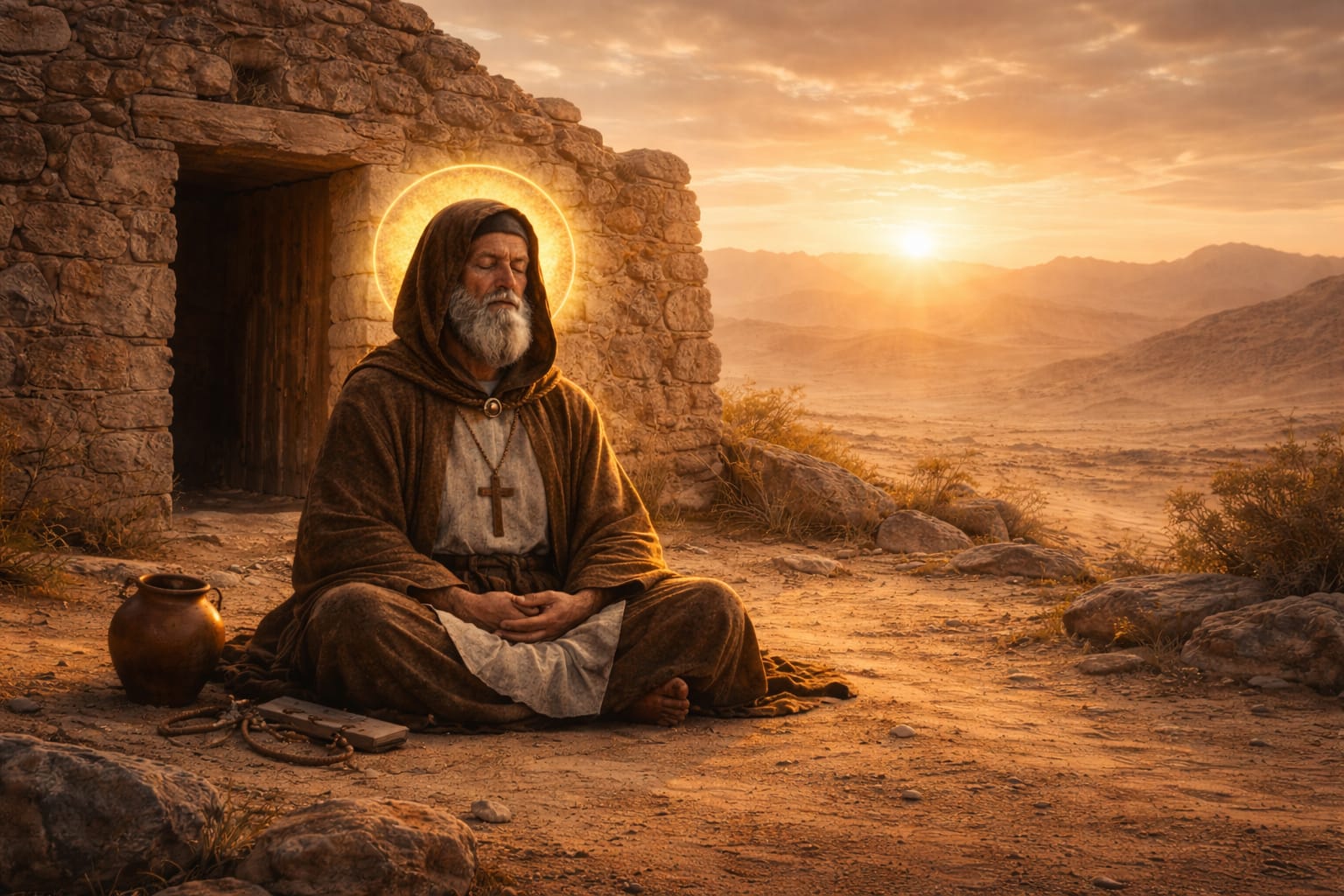
Good morning friends,
Over the past couple of days something rather unexpected has happened.
This community has grown quickly. In fact, the number of people reading this newsletter has nearly tripled in a very short time.
Which means that many of you reading this today are here for the first time.
So before we begin another reflection, I want to pause for a moment and simply say this.
Welcome.
I am very glad you have found your way here.
This newsletter is called Message From the Margins, and it exists for a simple but important reason.
There are a great many people today who still feel drawn to Jesus, but who have become weary of the version of Christianity they often see around them.
The anger.
The certainty that leaves no room for humility.
The constant noise of politics and culture wars carried out in the name of faith.
For many thoughtful people, faith has started to feel less like good news and more like exhaustion.
If you have ever felt that tension, you are not alone.
My name is Father Rich Vitale. I am an Old Catholic priest, going on lucky 13 years ordained, and much of my work as a writer and pastor is centered on a simple conviction.
The teachings of Jesus are still profoundly relevant for the world we are living in right now.
But they are often buried beneath layers of noise, fear, disingenuous voices, and institutional defensiveness.
Here, we try to return to the source.
That means engaging Scripture seriously, the way it was intended to be.
It means asking honest questions.
It means exploring the intersection of faith, psychology, justice, and the ordinary struggles of being human.
Most of all, it means remembering that the heart of Christianity is not ideology.
It is a person: truly human, truly divine.
And that person consistently called people toward compassion, humility, and a deeper trust in God.
Because this space is growing, I also want to say something about the kind of community we are trying to build here.
Substack allows readers to respond to posts and engage with one another in the comments. I want to encourage that as much as possible.
Thoughtful conversation is a gift.
If someone shares honestly about their life, their struggles, or their questions, meet that honesty with kindness.
Encourage one another.
Speak with the kind of generosity you would hope to receive yourself.
However, the internet has no shortage of places where people tear each other down. We do not need another one of those.
What we are trying to build here is something quieter and, I hope, more meaningful.
A community of people who are seeking Christ together.
I read every comment, and I try to respond to all of them… I’m about 90% successful.
Now, as we continue moving through the season of Lent, the reflections here are centered around a theme that feels especially important this year.
A Centering Lent in a Chaotic World.
If we are honest, the world rarely feels quiet anymore.
Our attention is constantly pulled in a dozen directions at once. News cycles move faster than we can process them. Outrage is always only a few clicks away.
It is very easy to live our entire lives in a state of spiritual distraction.
Lent offers something different.
It invites us to slow down.
To pray more intentionally.
To examine our lives with honesty and compassion.
And to rediscover the quiet center of faith that exists beneath all the noise.
That is the journey we will continue walking together in the weeks ahead.
If you are new here, I am grateful that you are part of it.
And if something you read here helps you reflect more deeply on your own faith or your own life, consider sharing it with someone who might need the same encouragement.
We are building something thoughtful here together.
Thank you for being part of it.
With gratitude,

If you have not yet received your copy of the e-book “A Centering Lent for a Chaotic World,” you can download it here:
Oh, and one other thing before we begin today’s reflection…. I realized something as I was about to send today’s issue.
Over the past couple of weeks, so many new people have joined this community that it feels only right to offer a small welcome gift.
A few months ago I wrote a little book called A Book of Prayers for All Seasons. I put it together for people who sometimes want to pray but struggle to find the right words.
Inside you’ll find prayers for many different moments of life. Times of gratitude, moments of uncertainty, seasons of grief, and days when the heart simply needs help remembering how to speak with God.
Normally this book is something I share with those who support this work through the paid membership here on Substack. Their generosity helps sustain the writing, the ministry, and the community we’re building together.
But today I’d like every one of you to have it.
If you are new here, consider it a small welcome gift, if you’ve been here since the beginning, it’s a thank you for sticking with me.
You can download your copy here:

Without Further ado… the main event….
What the Desert Fathers and Mothers Discovered About Chaos
Opening
The other day I caught myself doing something many of us do without thinking.
I picked up my phone to check one small thing. Within minutes I had read three alarming headlines, two arguments on social media, and one article predicting the end of civilization as we know it.
None of it made my heart quieter.
By the time I set the phone down again, I felt strangely unsettled.
You probably know the feeling.
(In fact, most of you arrived at this newsletter from a video I posted to Social Media speaking about the Iran War, so I know you do.)
Anywho, the world right now can feel like a constant storm of information. War reshapes the global landscape. Political tensions rise. Social media amplifies outrage faster than wisdom can catch up. Even inside the Church, the noise can feel relentless.
Many thoughtful people carry a quiet spiritual fatigue.
It is not that they are weak or have lost their faith.
It is that they have grown tired of the chaos surrounding it.
But Christians have lived through chaotic ages before. And centuries ago, a group of believers responded to that chaos in a way that still has something important to teach us.
They walked into the desert.
Reflection
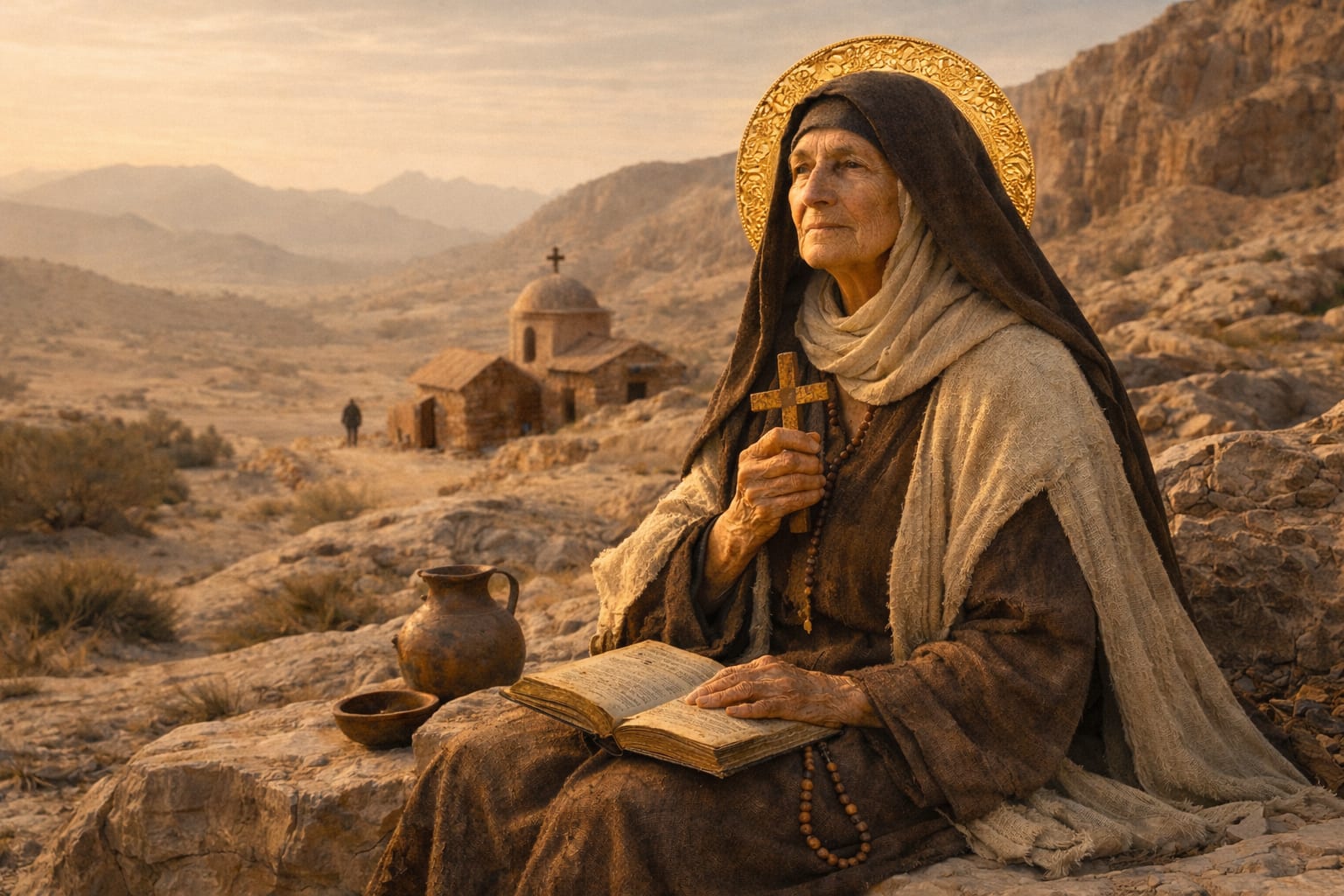
Beginning in the third and fourth centuries, men and women left the crowded cities of the Roman world and withdrew into the deserts of Egypt, Syria, and Palestine.
We call them the Desert Fathers and Mothers.
They were not escaping the world out of fear. In many cases they had been respected members of their communities. Some were scholars. Some had positions of influence. Some had lived through waves of political and religious upheaval as the Roman Empire shifted around them.
But they believed something radical.
If you want to hear the voice of God clearly, you must first quiet the noise that constantly competes for your attention.
So they went into the desert not to abandon the world, but to rediscover the center of their faith.
Their lives became laboratories of prayer.
They paid close attention to their thoughts. They observed how anger, pride, fear, and distraction moved through the human heart. They practiced humility, silence, and deep attentiveness to Christ.
Over time people began traveling long distances to seek their wisdom.
And the advice these elders gave was rarely dramatic.
One saying from the Desert tradition captures their insight beautifully:
“Sit in your cell (a quiet room), and your cell will teach you everything.”
In other words, stay present long enough for God to meet you there.
The Desert Fathers understood something that modern psychology is only beginning to rediscover: much of the turmoil we experience is not caused by the world alone, but by the constant movement of our own thoughts.
When we never slow down long enough to notice them, those thoughts quietly shape our fears, our anxieties, and our reactions.
Lent invites us to step into that ancient wisdom.
Not by fleeing to the Egyptian desert, but by learning how to cultivate small spaces of stillness within our daily lives.
And in those quiet spaces, something surprising begins to happen.
We remember that God has been present all along.
Gentle Practical Integration
Here are a few simple ways you might begin drawing on the wisdom of the Desert Fathers this week.
1. Create ten minutes of intentional quiet each day.
Find a moment when you can sit without screens, notifications, or background noise. Let your mind slow down.
2. Pray the Jesus Prayer slowly.
With each breath, quietly repeat:
“Lord Jesus Christ, have mercy on me.”
Let the words settle into your breathing.
3. Notice your thoughts without judging them.
When worries or distractions appear, simply observe them. Then gently return your attention to God.
4. Reduce one small source of noise.
Perhaps it is a little less scrolling. Perhaps it is turning off the news earlier in the evening.
I’m someone who believes it’s important to stay informed about the world. But I’ve learned something simple about the way modern media works. There often comes a point when the conversation stops offering new information and simply circles around the same talking points again and again.
When I notice that happening, I turn the television off.
Staying informed can be responsible. But endless repetition rarely makes us wiser. Sometimes the most faithful thing we can do is step away from the noise and return our attention to God.
5. Set aside a few minutes for sustained reading.
Even five or ten minutes of quiet reading can gently settle the mind.
One of the quiet challenges of modern life is that our attention is constantly broken into fragments. We skim headlines. We scroll past hundreds of short posts. Our minds rarely have the chance to rest on a single thought long enough for it to deepen.
Neuroscience is beginning to confirm something spiritual teachers have known for centuries: sustained, uninterrupted reading allows the nervous system to slow down and the mind to become more attentive.
If it serves you, consider carving out a few minutes each morning or evening to read something that nourishes your soul.
I will always do my best, here in this newsletter, to offer reflections that help steady the heart and draw us a little closer to Christ, so you may just choose to make this resource part of your routine.
These are not dramatic spiritual feats.
They are simple practices that help the heart remember where its true center lies.
Community Closing
One of the gifts of this community is that we are walking this journey together.
If you try one of these practices this week, feel free to share your experience in the comments. Your reflection may encourage someone else who is learning to slow down as well.
And if someone in your life feels overwhelmed by the noise of the world right now, consider sharing this reflection with them.
Sometimes the most loving thing we can offer one another is a reminder that peace is still possible.
Closing Prayer
Lord Jesus Christ,
The world around us moves quickly, and our hearts often move just as fast.
We wake to headlines that stir anxiety. We carry responsibilities that weigh on our minds. We absorb the anger and division that seem to fill so much of public life. Without realizing it, we begin to live as though peace is something distant and fragile.
Yet in every age, you have called your people back to a quieter center.
You led your followers into deserts and mountains. You withdrew from the crowds to pray. You reminded your disciples that the kingdom of God is not built through noise or force, but through hearts that are attentive to the Father.
Teach us to become people of that quiet attention.
Help us notice the restless movements within our own minds and gently place them into your hands.
Give us patience when prayer feels slow. Give us humility when our thoughts wander. Give us courage to step away from the noise long enough to rediscover your presence.
And in the stillness we find there, remind us that we are never alone.
You are with us in every moment.
Guide us, steady us, and draw us deeper into your peace.
Amen.
If this reflection helped steady your heart today, I invite you to share it with someone who may need a moment of quiet as well.
You are also always welcome to join the conversation in the comments. One of the things I value most about this community is the thoughtful way readers encourage and support one another.
And if the work we’re doing here has been meaningful to you, consider becoming a supporting member. Those memberships make it possible for me to continue writing, teaching, and building this space where faith, thoughtfulness, and compassion can grow together.
However you arrived here, I’m grateful you’re part of this community.