

When reconstruction becomes entangled with power, what does the Gospel demand of the Church?
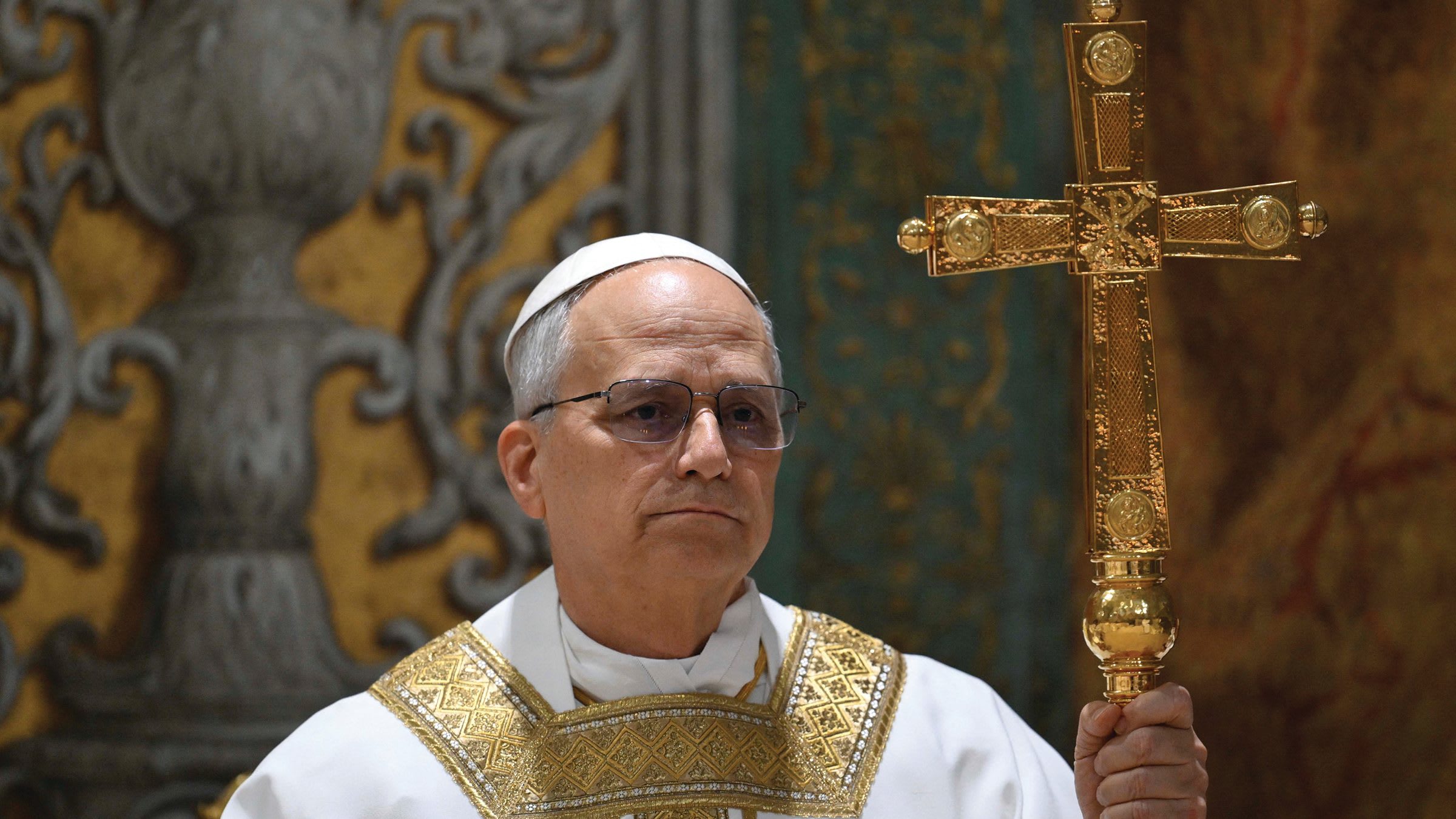
This week, news broke that Pope Leo declined an invitation from the United States to participate in a proposed “Board of Peace” overseeing reconstruction efforts in Gaza. The proposal, described by some as a stabilizing initiative, has also been criticized by Church leaders in the region as carrying colonial overtones and political entanglements that risk undermining authentic local agency.
For many Catholics, and many Christians more broadly, the reaction has been mixed. Some feel relief. Others feel confusion. Some worry this signals disengagement from peacemaking. Others fear that the language of “peace” is being used to sanitize something more complicated.
There is real grief beneath this moment. Gaza is not an abstraction. It is rubble, blood, displaced families, and a land soaked in historical wounds. Christians in the Holy Land are a fragile minority navigating immense pressure from every side. The stakes are not theoretical.
And in a digitally saturated world, the headlines arrive at us instantly, demanding reaction. Outrage is monetized. Nuance is punished. We are pulled into the cycle.
But before we react, we must ask the only question that finally matters:
What does the Gospel say about this?
The Gospel Is Not a Tool of Empire
Jesus says plainly, “Blessed are the peacemakers, for they shall be called children of God” (Matthew 5:9). He does not say, blessed are the power brokers. He does not say, blessed are those who control reconstruction contracts. He says peacemakers.
Peace in Scripture is not merely the absence of violence. It is shalom, right relationship, justice, restoration of dignity. It cannot be imposed from above without listening to those who bleed below.
When Christ stood before Pilate, He said, “My kingdom is not of this world” (John 18:36). That does not mean His kingdom ignores the world. It means it refuses to be reduced to its political machinery.
The Church has long known the danger of becoming too closely identified with state power. From the Constantinian settlement onward, Christians have wrestled with this tension. The early Church fasted, prayed, gave alms, and prepared catechumens for baptism precisely because they understood discipleship as allegiance to a Lord who was crucified by imperial power.
In Lent especially, we remember that the Cross stands as a critique of every empire, every nation, every ideology. No flag redeems the world. Only Christ does.
If a reconstruction effort risks functioning as geopolitical leverage, or worse a profit opportunity for the already wealthy and powerful, rather than genuine service to the people of Gaza, the Church must tread carefully and speak clearly. Prudence is not indifference. It is moral clarity.
“Put not your trust in princes, in mortals in whom there is no help” (Psalm 146:3). That verse is not anti-government. It is anti-idolatry.
Lent and the Detox of Political Idolatry
The ancient Church approached Lent as a season of reordering desire. Fasting loosened the grip of appetite. Silence weakened distraction. Almsgiving redirected resources toward the poor. Catechumens were formed not for cultural comfort, but for costly fidelity.
In our age, the temptation is not only gluttony of food, but gluttony of information. The 24-hour news cycle forms us more aggressively than the Desert Fathers ever intended.
Lent invites us to ask: Have we made politics our daily bread? Have we allowed outrage to catechize us more thoroughly than Scripture?
The Fathers spoke of disordered loves. St. Augustine taught that sin is not merely doing bad things; it is loving lesser things more than greater ones. When power, influence, or national prestige outrank human dignity in our hearts, something is misaligned.
Repentance, then, is liberation. It is not punishment. It is detoxification.
To return.
To reorder.
To re-anchor.
If you haven’t yet downloaded our Lenten Guide, it includes the full itinerary for our digital worship opportunities and deeper formation resources designed precisely for this kind of re-centering.
What Christian Moral Teaching Requires
Christian moral teaching insists on several truths at once:
Human life in Gaza is sacred.
Human life in Israel is sacred.
No civilian is expendable.
No reconstruction effort is morally neutral.
The Church must advocate for justice, not merely stability. For dignity, not merely order. For local agency, not external control disguised as benevolence.
Where sin may be present, whether in terror, retaliation, corruption, or political manipulation, the Church must name it. Where repentance is needed, it must be called for. Where mercy is possible, it must be extended.
And yet hope still stands, because Christ has risen.
A Practical Moral Posture in Troubling Times
In moments like this, I offer you several invitations:
Guard your heart from hatred. Anger can clarify injustice, but hatred corrodes the soul.
Speak truth without cruelty. Christians do not surrender clarity, but neither do we abandon charity.
Fast from compulsive news consumption. Choose defined windows of information rather than endless scrolling.
Pray specifically for leaders by name. It is harder to demonize someone you regularly bring before the throne of grace.
Give alms to reputable humanitarian efforts serving civilians directly. Almsgiving is not symbolic. It is concrete solidarity.
Above all, resist the idolatry of power. The Cross reveals that redemptive love often looks weak before it looks victorious.
Christ Still Reigns
Empires rise and fall. Reconstruction boards will come and go. Policy frameworks will be drafted and abandoned.
Christ is still Lord.
The Cross still stands.
The Church has endured persecution, compromise, reform, collapse, and renewal for two thousand years. She will endure this season too.
Our task is not frenzy. It is fidelity.
Prayer
Lord Jesus Christ, Prince of Peace,
we bring before You the wounded land of Gaza
and all who suffer in Israel and Palestine.
You see the rubble.
You know the fear of displaced families.
You hear the cries that do not reach microphones.
We pray for repentance where violence has hardened hearts.
We pray for leaders, that ambition would yield to wisdom,
that power would bow before justice,
that reconstruction would serve people rather than pride.
Guard Your Church from entanglement with false gospels of domination.
Keep us free from the intoxication of influence.
Teach us to love mercy, to do justice, and to walk humbly with You.
Deliver us from hatred.
Deliver us from despair.
Re-anchor us in Your Cross,
where peace was purchased not by coercion,
but by sacrificial love.
Make us steady in Lent.
Make us faithful in small obediences.
Make us children of true peace.
We ask this in Your holy Name.
Amen.
If this reflection steadied you, helped you think more clearly, or gave you language for what you’re wrestling with, I invite you to engage.
Tell us what you think in the comments. I read them. I pray over them. And thoughtful dialogue strengthens this community far more than outrage ever could.
If this piece spoke to you, please like it and restack it so others can encounter it as well. That simple act helps this ministry reach people who are looking for moral clarity without noise.
Thank you for walking this Lenten road with me.