
What the Church Can Teach the World About Creation Care
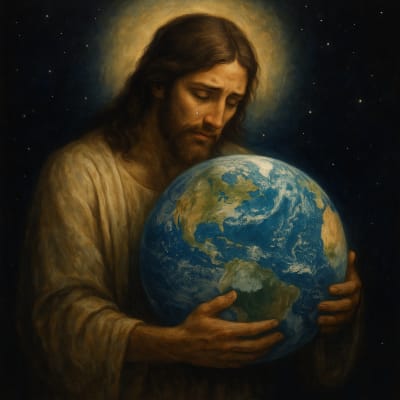
We often treat the natural world as if it were simply “ours” to consume, but the truth is that creation is first and foremost God’s gift. From the beginning, Scripture makes clear that humanity is entrusted with stewardship, not domination. In Genesis, God gives humanity “dominion” over the earth, but that word has often been twisted to justify exploitation. Dominion does not mean domination. In the biblical sense, it means responsibility, caring for creation as a shepherd cares for the flock. The earth is not ours to strip bare; it is entrusted to us as stewards, called to cultivate, protect, and sustain it for future generations. True dominion is exercised not through greed but through love, reverence, and care. To live in harmony with creation is not a side issue of faith, it is at the very heart of Judeo-Christian life, and what it means to follow Christ.
Laudato Si’ and the Moral Witness of the Church
In Laudato Si’, Pope Francis laid out one of the most important Catholic documents of our time, calling us to recognize environmental destruction as not merely an ecological crisis but a moral one. Pollution, waste, and the careless exploitation of natural resources are sins because they degrade both God’s creation and the lives of the poor who suffer most from the fallout.
When the air becomes unbreathable, when water is poisoned, when rising seas swallow communities, when fires consume the forests, these are not only “environmental” concerns. They are human concerns, matters of justice, and questions of life and death.
Creation Care as Catholic Social Teaching
The Church has spoken with growing clarity: care for creation is Catholic Social Teaching. Pope Francis established the annual World Day of Prayer for the Care of Creation. Pope Leo authorized a special Mass for the Care of Creation, elevating ecological protection to the liturgical life of the Church. The Vatican has committed itself to becoming the first country in the world to be 100% carbon neutral. These are not symbolic gestures; they are moral witness.
Pope Leo XIII once emphasized the dignity of work and the rights of workers in Rerum Novarum. Today, Pope Francis and the global Church make clear that the protection of the environment belongs alongside those great principles. It is not optional. It is not secondary. It is integral.
Environmental Destruction is Anti-Life
Too often, the phrase “pro-life” is reduced to a single issue. But if we truly believe that life is sacred from conception to natural death, then we must be consistent. A child poisoned by lead in the water, a mother who cannot breathe because of industrial pollution, a grandfather displaced by climate-driven floods, these lives matter too.
Caring for creation is pro-life. To stand for life means protecting the air, the water, the soil, and the ecosystems that sustain human existence. Anything less is a contradiction.
The Poor Bear the Heaviest Burden
We also need to be honest: environmental destruction does not impact everyone equally. The wealthiest among us have the means to lobby governments, move away from polluted areas, or shield themselves with healthcare and privilege. The poor, however, are often left behind in neighborhoods where toxic industries and waste sites are deliberately placed, where water is unsafe to drink, and where the long-term health consequences are devastating.
Here the words of Matthew 25 re-imagined, coming alive in tragic irony:
“You gave me toxic air to breathe, you gave me fouled water to drink. I came down with asthma, COPD, auto-immune disease, and cancer, and you took away my healthcare. I could not work, and you imprisoned me.”
And the reply: “My Lord, when did we do this?”
The answer: “That which you do to the least of my sisters and brothers, you did to me.”
When we tolerate the dumping of poison into poor neighborhoods, or remain silent when profit trumps human dignity, we are failing Christ himself.
Our Call as Christians
We are called not just to admire creation but to defend it. As the psalmist sings: “The earth is the Lord’s and all it holds, the world and those who dwell in it” (Psalm 24:1). If the earth is the Lord’s, then our role is not ownership but reverent caretaking.
This means changing how we live: reducing waste, conserving energy, supporting policies that protect the earth, and standing in solidarity with those most affected by ecological destruction. These are not optional lifestyle choices; they are acts of discipleship.
A Final Word
The Church has something profound to offer the world right now: a vision of creation not as raw material for profit, but as a sacred trust. A reminder that exploitation of the earth is exploitation of God’s handiwork. And a moral witness that true pro-life discipleship requires us to defend the natural world for generations yet to come.
Let us not fail in this task. May our care for creation be not only a matter of politics or policy but a matter of love: love for God, for our neighbor, and for the future of our shared home.
If this reflection stirred something in you, I invite you to share it with a friend, leave a comment, or subscribe so you don’t miss future writings. Together we can bear witness to the God who made this beautiful world and entrusted it to our care. Let’s walk this road of faith and stewardship side by side.